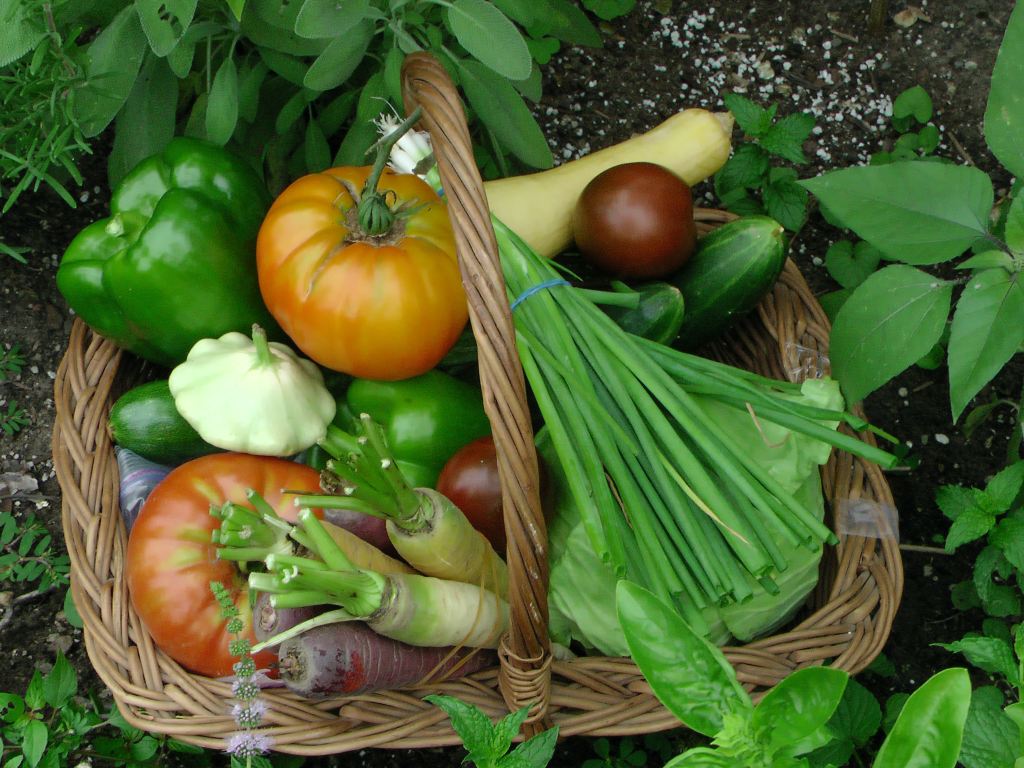
The arrival of spring has enthusiastic gardeners everywhere eager to begin turning soil and sowing seeds. As enjoyable and beneficial as gardening can be, it involves a great deal of trial and error. There is often a level of uncertainty that comes with growing your own fruit and veg, particularly when you consider the fickle nature of the British climate. While your annual yields may be at the mercy of unpredictable weather conditions, there are plenty of tricks, tips and growing methods you can use to promote the health of your crops.
Boost The Quality Of Your Soil
Soil management is crucial for growing strong, healthy plants and increasing your yields to the best of your ability. There are multiple methods and steps to boosting your soil quality, including turning it for aeration and adding organic compost or manure to add vital nutrients. You could also invest in a soil test to measure its health, nutrient content and pH value. Depending on the results, you can amend any issues impacting crop growth. For instance, you can neutralise excessively acidic soil by adding organic matter such as bone meal, wood ash and dolomite lime.
Pick Your Growing Spots Wisely
The best spots for your crops will have the most light exposure and the best soil quality. While some varieties fare better than others in partial shade, most plants require a minimum of eight hours of sunshine daily to thrive and provide you with sufficient yields. That said, sparse surrounding trees and shrubbery may protect your crops against harsh weather conditions such as strong winds and flooding. This also provides your garden with the biodiversity it needs for a thriving ecosystem, generating natural pest control.
Vertical Gardening
Maximising space and planting upwards is the best way to generate higher yields in your vegetable garden. Vertical gardening is an excellent way for gardeners with smaller plots to grow as much as possible using every inch of space available. Vertical gardens provide better airflow to crops and help them receive the maximum amount of sunlight, even in shady gardens. You can purchase vertical gardening planters from nurseries and garden retailers or make your own by fastening plant pots to a ladder or trellis.
Choose Appropriate Crops
Crops that are better suited to your climate will naturally be more successful. For example, warm climate fruits and vegetables like okra and sweet potatoes are tricky to cultivate in the unpredictable, often bitter UK conditions. Instead, opt for crops renowned for thriving in mild climates, of which there are many. Furthermore, consider your garden’s light exposure. For instance, leafy greens, swiss chard and carrots all thrive relatively well in shaded areas, whereas sun lovers like cucumbers, aubergine and tomatoes need all the light they can get.
Indoor Gardening
If you’re adamant about growing crops that require specific conditions, it may be worth exploring some alternative growing methods – i.e. indoor gardening. Grow tents are portable closed frames, enabling the grower to cultivate a range of plants by micromanaging the climate within. You can easily source grow tent kits, including heaters, humidity controls, and led grow lights in UK stores without spending an extensive amount of money. While getting to grips with grow tent management may take a little practice, you can expect significantly increased yields once you have the hang of things.
Natural Pest Control
Garden pests, including aphids, caterpillars and slugs, can be detrimental to the health of your crops. Even mice, voles and squirrels are notorious for nibbling on shoots and freshly sowed seeds. Natural, organic pest control is the best way to boost the health of your crops and increase yields without damaging your garden’s delicate ecosystem. Consider spraying your crops with neem oil and diluted dish soap, which is effective against hundreds of pests. Mice despise peppermint, which irritates their nasal cavities, so plant some in nearby containers to keep them away.
Consider Containers
Speaking of containers, they can be tremendously advantageous in your vegetable garden. Some plants, such as various types of mint, have a tendency to spread rapidly, and due to their hardy resilience, they can be remarkably difficult to get rid of. Keep your mint in a container to prevent it from choking your other plants. Other plants that grow well in containers include chillies, tomatoes, spring onions, potatoes and broad beans. Here are some more advantages of container gardening.
 TastyContent