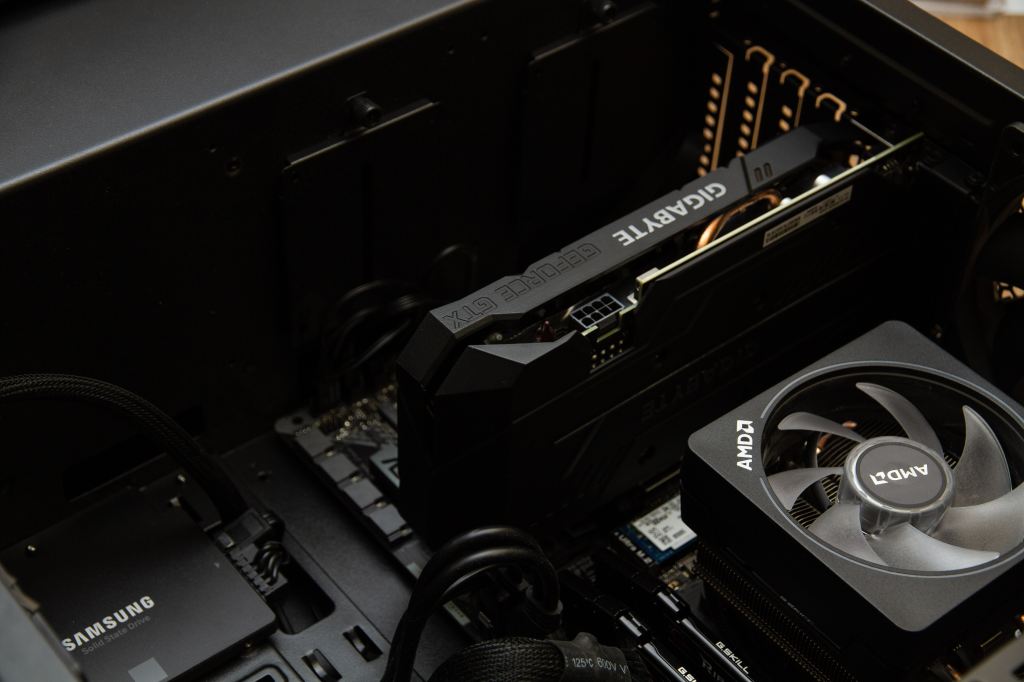
There are hundreds of options out there for people with specific computing needs because no two people will use their machines in exactly the same way. Some people only need something small and portable like a smartphone or tablet to get their daily tasks done, others have more intensive needs for work or school, and others still will need a machine that also doubles as an entertainment device as well as a work tool.
Every kind of machine has its benefits and there is no one correct answer as to which will be best; it’s entirely down to how the machine will be used and what you need to achieve with it. For example, if you absolutely need a computer that you can take out and about with you then you will obviously need to choose a laptop or a suitably powerful tablet.
If, however, you need a machine that is powerful, versatile, looks good and is simple to upgrade and repair then you’ll want to choose a gaming PC. Don’t let the name fool you; gaming PCs are absolutely not just for gamers. They are highly versatile machines that can be used for a huge variety of tasks such as photo and video editing, coding, streaming, and gaming to name a few.
For those looking for a machine that can handle pretty much anything, a gaming PC is usually the best choice. One of the best things about them is the fact that you can either choose one off the shelf, have one configured to your liking, or can build one entirely from scratch. Choosing to build one from scratch can feel like a daunting task, but with the right preparation it is simple enough for a beginner to tackle.
Do your research
You may be raring to go, but you need to make sure you know what you’re doing before you start! The most important first step is to do lots of research into what you’ll need to make your PC work in the way you need it to. You can research components for gaming PCs online which will give you a good idea of what you’ll need.
Set your budget
Once you know what you want, you’ll need to decide how much your new gaming PC will cost. It isn’t enough to pick a number out of the air so you’ll need to do some additional research in order to decide on a ballpark figure. Chips are expensive at the moment due to supply issues so you’ll need to think about this and keep some alternatives in mind as you go. Once you have a budget in mind you will then be able to look for the components you need and compare their prices and features or specifications across the different brands.
Order your components
After you have done all your research and you’re confident that you know what you need, you can go ahead and start shopping around for the best deals on your gaming PC parts. Retailers will often have sales so you can save yourself some money that way, or you can look into buying bundles that provide what you need at a reduced price as long as you buy them as part of a package. Alternatively, you can try sourcing your components second hand online or ask a friend who is into PC building if they can help you out.
Prepare your work space
Putting together a gaming PC is not exactly rocket science, but it does take some careful planning and preparation. You’ll need to keep all your parts in their original packaging until you’re ready to start your build in order to protect them from dust and moisture. If possible, try to choose a dedicated place to start your build such as a spare room, office, or dining table that will not be used for anything else until you’re finished.
Make sure the environment is as clean and free of dust and dirt as possible. You will need some basic supplies such as isopropyl alcohol wipes, lint free cloths, anti-static gloves, and appropriately sized screwdrivers. Additionally, you may need a soldering iron, so be sure to check your tool requirements before you get stuck in with your build.
 TastyContent